5 Rules for a Healthy Diet for Type 2 Diabetes
A healthy diet for type 2 diabetes does not have to be complicated. These 5 simple, evidence-based rules help you eat well without giving up the foods you.

In this article(9)
Building a healthy diet for type 2 diabetes does not have to mean memorizing food charts, weighing every bite, or giving up the foods you grew up eating. Most people overthink it from day one, and the overthinking is what eventually leads to burnout and the all-or-nothing eating that wrecks blood sugar.
The five rules below cut through the noise. They are drawn from the consistent guidance of major diabetes organizations, peer-reviewed nutrition research, and the lived experience of people who have managed this condition for decades. They are simple enough to remember, flexible enough for real life, and strong enough to drive real changes in how you feel.
Rule 1: Fill Half Your Plate with Non-Starchy Vegetables
Healthy eating for type 2 diabetes starts with what takes up the most space on your plate. Non-starchy vegetables (think leafy greens, broccoli, peppers, tomatoes, zucchini, cauliflower, green beans) are low in calories and carbs, high in fiber, and packed with the vitamins and minerals your body uses to manage blood sugar.
The American Diabetes Association recommends building meals around these vegetables for a reason. They slow digestion, fill you up, and crowd out higher-carb foods naturally. You do not have to count anything. You just have to make them visible on the plate.
The trick is making vegetables actually satisfying. Roasting them in olive oil, adding garlic and lemon, pairing them with cheese or nuts, or stirring them into a hearty soup all work better than steaming them plain and hoping for the best. If you are interested in a broader eating pattern that puts vegetables at the center, our guide to the Mediterranean diet for diabetes is a good starting point.
Rule 2: Choose Whole Carbs Over Refined Ones
Carbohydrates are not the enemy in a health diet for type 2 diabetes. The type and quality of carbs you choose matter far more than the total amount, especially when you are eating reasonable portions. Whole carbs come with fiber, which slows glucose absorption and softens post-meal spikes. Refined carbs do not.
The Centers for Disease Control and Prevention puts whole grains, beans, lentils, and starchy vegetables in the recommended-carb category for people with diabetes. Best options include rolled oats, quinoa, barley, brown rice, sweet potatoes, black beans, chickpeas, and whole-grain bread or pasta.
Reading labels helps you spot hidden refined carbs in foods that look healthy. "Multigrain," "wheat flour," and "made with whole grains" are often marketing language. Look for "100 percent whole grain" or "whole wheat" as the first ingredient, and check the fiber count: at least 3 grams of fiber per serving is a reasonable benchmark for bread and cereal.
Rule 3: Pair Every Carb with Protein or Fat
This rule is one of the most underappreciated tools in a balanced diet for type 2 diabetes, and it costs you nothing to practice. When you eat carbs by themselves, blood sugar tends to rise quickly and fall sharply. When you pair them with protein or fat, the rise is gentler and the fall is steadier.
Research published in Diabetes Care and other peer-reviewed journals consistently shows that macronutrient pairing reduces post-meal glucose excursions. The mechanism is straightforward: protein and fat slow stomach emptying, which means glucose enters the bloodstream more gradually.
The practice is even simpler. An apple alone often spikes blood sugar. An apple with a tablespoon of almond butter usually does not. Crackers alone hit harder than crackers with cheese. Rice on its own behaves differently than rice with chicken and vegetables. Once you start noticing the pattern, you will see it in your readings. Our piece on blood sugar after eating explains what to expect from different food combinations.
Rule 4: Watch Your Portions Without Obsessing
Portion awareness matters more than calorie counting for most people with type 2 diabetes. The simplest visual tool is the diabetes plate method explained in detail in another post on the site. The short version: half your plate is non-starchy vegetables, a quarter is lean protein, and a quarter is whole carbs.
The Mayo Clinic recommends this kind of visual approach because it works without measuring cups, food scales, or apps. It also adapts well to eating out, where strict portion control is impractical and stressful.
When you are at a restaurant, a few quick estimates go a long way. A serving of protein is roughly the size of your palm. A serving of carbs is about a cupped handful. A serving of fat (oil, butter, dressing) is around a thumb. These are rough guides, not rules, and they remove the math from a meal you are supposed to enjoy.
Rule 5: Eat Consistently, Not Perfectly
The fifth rule is the one most often missed in conversations about type 2 diabetes nutrition. Skipping meals or going long stretches without eating tends to backfire. Blood sugar can swing hard, hunger drives poor choices later, and the pattern is hard on energy and mood.
Eating at roughly the same times each day helps your body anticipate and respond to food more efficiently. Three meals plus one or two small snacks works for many people, though the exact pattern depends on your medications, activity level, and personal preferences. The principle is consistency, not rigidity.
From my experience: After fourteen years with diabetes, the days I tried to "be good" by skipping breakfast or pushing through lunch always ended badly. Steady eating beats heroic restraint, every time. The goal is not perfection. It is a rhythm you can repeat tomorrow, and the day after, and the year after that. Pairing this with regular movement helps even more, which is why our guide to exercise for type 2 diabetes is worth a read alongside this one.
Putting a Healthy Diet for Type 2 Diabetes into Practice
A sample day on a healthy diet for type 2 diabetes might look like this. Breakfast: scrambled eggs with sauteed spinach and a slice of whole-grain toast with avocado. Lunch: a large salad with grilled chicken, mixed vegetables, chickpeas, olive oil dressing, and a small portion of quinoa. Snack: an apple with almond butter or Greek yogurt with berries. Dinner: salmon, roasted broccoli and carrots, half a baked sweet potato.
Your grocery list shifts to support these patterns. Non-starchy vegetables in bulk, a few proteins for the week, whole grains in jars or bags, healthy fats like olive oil and nuts, and a small selection of fruits. Stocking your kitchen this way makes the right choice the easy choice when you are tired or rushed.
Tracking progress does not need to mean counting every gram. A weekly check-in on energy, post-meal blood sugar trends, and how you feel after meals tells you more than a strict food log most weeks. Small, sustainable shifts almost always beat dramatic overhauls that fall apart by week three.

FAQ
What is the healthiest diet for type 2 diabetes?
There is no single "best" diet for everyone with type 2 diabetes, but the most effective approaches share common principles: plenty of non-starchy vegetables, whole grains over refined ones, lean proteins, healthy fats, and consistent meal timing. The ADA recognizes several effective patterns, including Mediterranean, DASH, low-carb, and plant-based diets. The healthiest diet is the one that fits your culture, preferences, and life so you can stay with it long-term.
What should a type 2 diabetic eat daily?
A solid daily framework includes non-starchy vegetables at every meal, a source of lean protein (fish, poultry, eggs, beans, tofu), healthy fats like olive oil, nuts, or avocado, and whole-grain or low-glycemic carbohydrates in moderate portions. Spacing meals evenly through the day helps maintain stable blood sugar. Hydration with water or unsweetened drinks rounds out the picture.
A healthy diet for type 2 diabetes is less about strict rules and more about steady patterns that work for the person living with them. Five rules are easier to remember than fifty, and they leave room for the foods, traditions, and meals that make eating something more than fuel.
If you are unsure where to start, talk to a registered dietitian or certified diabetes educator who can adapt these principles to your medications, activity, and goals.
Shahriar P. Shuvo is the founder of Diabic. He has lived with diabetes for over 14 years, and built Diabic to deliver the practical, evidence-based self-management tools he wished existed when he was first diagnosed. By trade, Shahriar is a senior design and frontend engineer with 6+ years shipping products at Agora, Timescale (now Tiger Data), and ShareTrip. He writes from the intersection of lived diabetes experience and product craft, focused on what works in daily management rather than what sounds good in a textbook.
Medically reviewed by
Dr. Shanto Arian is an internal medicine physician now specializing in clinical and aesthetic dermatology, with a parallel academic focus on epidemiology and public health. He holds an MBBS, MPH, MSc (UK), MRCP (UK), MRCPI (Ireland), Diploma in Dermatology (UK), and Diploma in Aesthetic Medicine (USA). Dr. Arian trained in internal medicine, including hospital work on hematology cases such as graft-versus-host disease, before moving toward dermatology. Skin is one of the earliest places diabetes shows itself, from acanthosis nigricans and diabetic dermopathy to slow foot wound healing, and that intersection is where his clinical and Diabic-review work meet. On Diabic, Dr. Arian medically reviews content on diabetes diagnosis, complications, dermatologic manifestations, and pharmacotherapy, ensuring every claim aligns with current ADA, NICE, and peer-reviewed literature.
More from Diet & Fitness
View all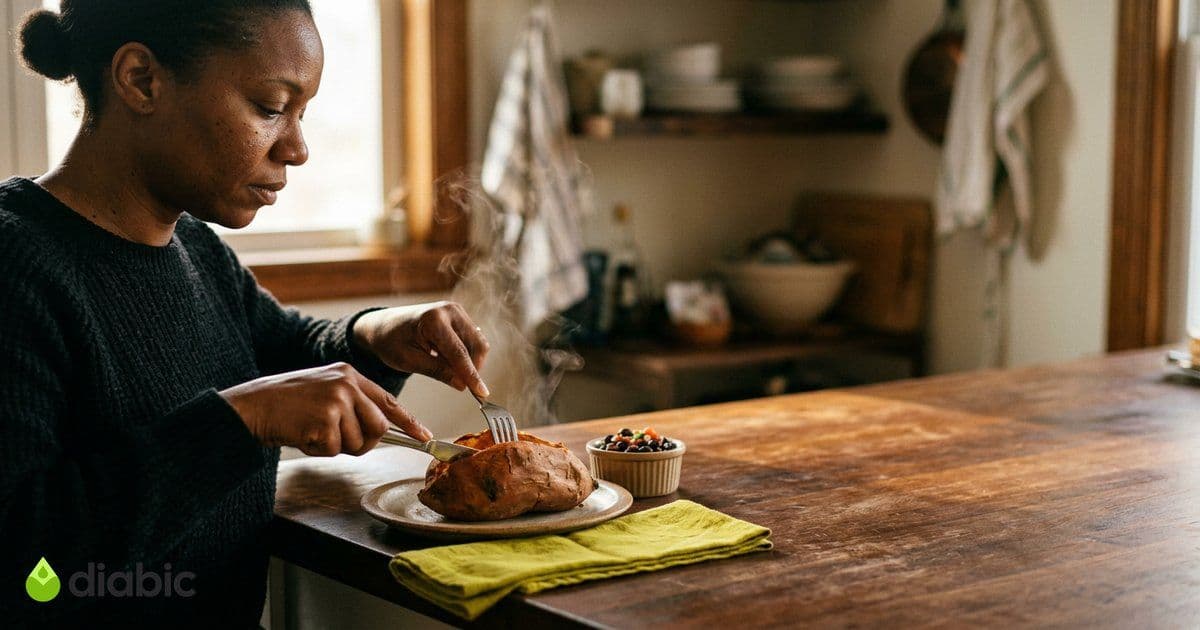
7 Sweet Potato Diabetes Recipes That Keep Blood Sugar Steady
Seven sweet potato diabetes recipes with balanced macros, plus the cooking methods and portion tips that keep this naturally sweet vegetable blood-sugar.

Diabetes Pasta Recipes That Won't Spike Blood Sugar
Five diabetes pasta recipes that keep blood sugar steady, plus the cooking trick and pasta swaps that lower glycemic impact for everyday meals.
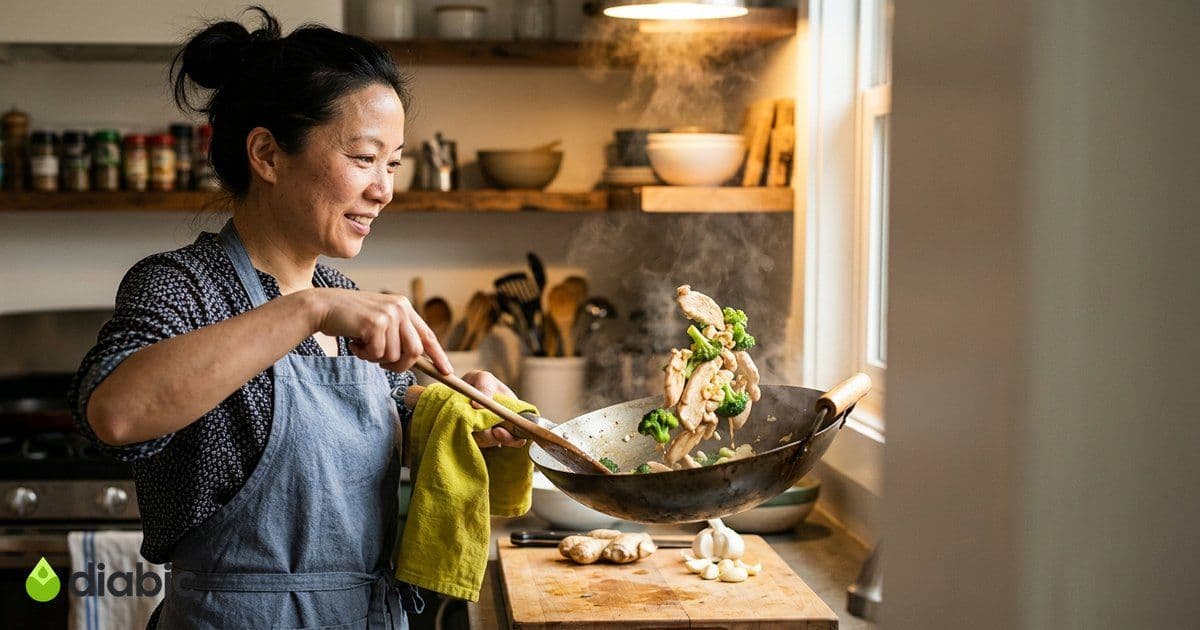
Chinese Recipes for Diabetes That Taste Like Takeout
Chinese recipes for diabetes that recreate takeout favorites at home with low-sugar swaps, controlled portions, and stir-fries that keep blood sugar.
Clinician-reviewed habits, plain-language guides, and honest answers - the small shifts that make living with diabetes feel lighter, every day.