Diabetes Pasta Recipes That Won't Spike Blood Sugar
Five diabetes pasta recipes that keep blood sugar steady, plus the cooking trick and pasta swaps that lower glycemic impact for everyday meals.

In this article(12)
Pasta night and diabetes do not have to be enemies. The idea of giving up a plate of warm noodles forever feels like a punishment, and that kind of all-or-nothing thinking rarely sticks. The good news is that diabetes pasta recipes can taste like real comfort food when you build them with the right ingredients and a few simple techniques.
What changes the blood sugar story is not pasta itself, but everything around it. The type of noodle, the portion on your plate, the protein you serve alongside, and even how you cook the pasta all affect the glucose curve afterward. We are going to walk through how that works, then share five recipes that put it into practice.
How to Make Pasta Work for Diabetes
A traditional bowl of white pasta with red sauce can hit blood sugar hard, mostly because the portion is huge and there is little protein, fat, or fiber to slow digestion. The fix is rarely about cutting pasta out completely. It is about reshaping the plate so the carbohydrate load is smaller and the meal as a whole digests more slowly.
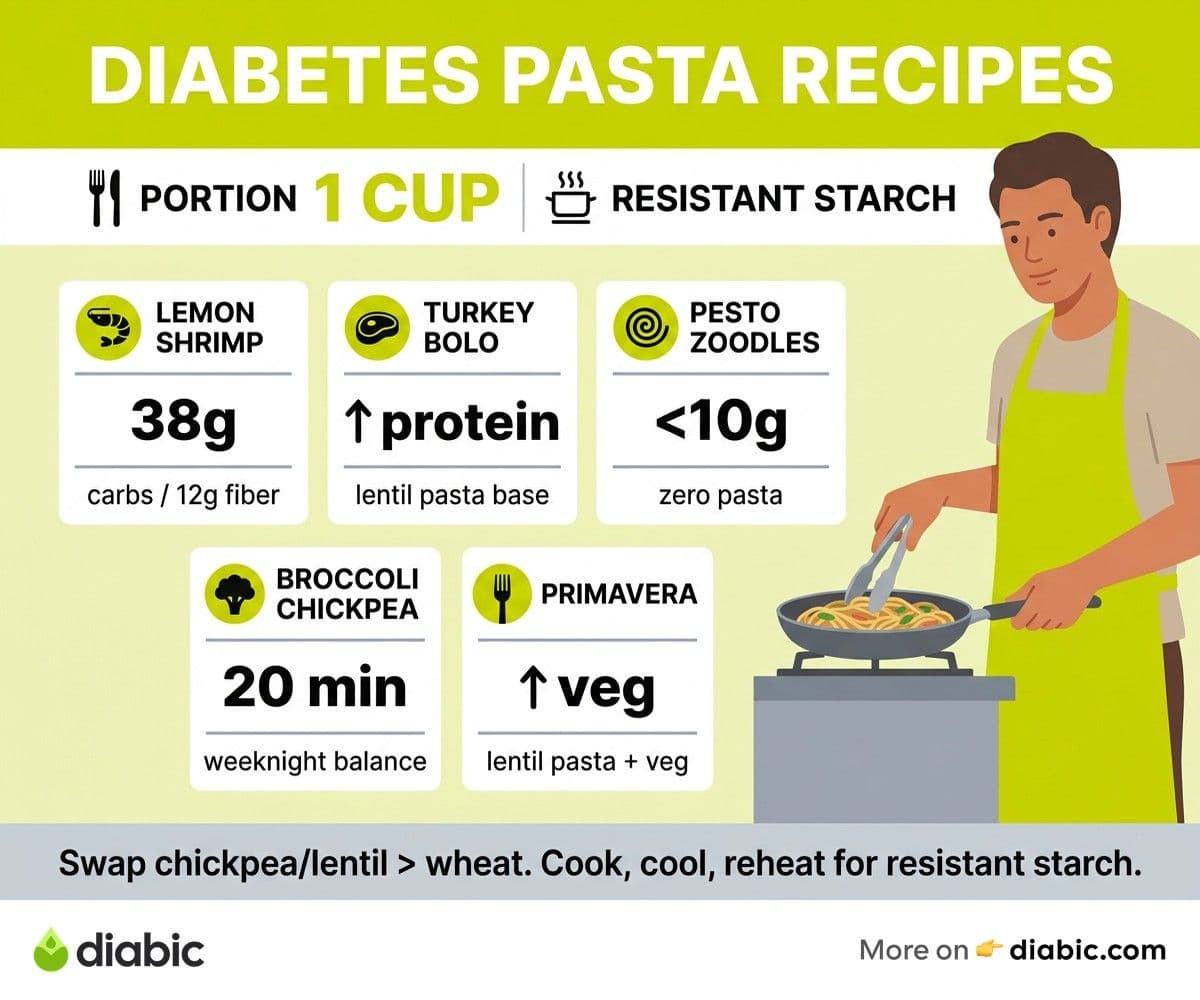
Three changes do most of the heavy lifting. First, swap regular pasta for a higher-fiber, higher-protein alternative like chickpea or lentil pasta. Second, scale the noodle portion down to about one cup cooked and bulk the rest of the bowl with vegetables and a lean protein. Third, use the cook-cool-reheat trick, which forms resistant starch in the pasta and produces a smaller post-meal blood sugar response, according to research published in Diabetes Care and related glycemic studies.
Lower-glycemic noodles are not all created equal. Chickpea pasta brings around 14 grams of protein and 8 grams of fiber per serving. Lentil pasta is similar. Whole wheat pasta has more fiber than white but still digests quickly, so portion size matters even more. Zucchini noodles, sometimes called zoodles, are nearly carb-free and work beautifully under a thick, protein-rich sauce. If you are still mapping out your overall approach to carbs, our piece on a low glycemic diet for managing diabetes pairs well with this one, and you can see how pasta night fits into the bigger picture in our roundup of weeknight dinner recipes for diabetes.
From my experience: After 14 years of living with diabetes, the single thing that changed pasta for me was cooking a batch on Sunday, cooling it in the fridge overnight, then reheating portions all week. My continuous glucose monitor consistently shows a flatter curve from reheated chickpea pasta than from a freshly boiled bowl of the same noodle, even with similar toppings. It is a small habit that pays off twice, in glucose stability and in shaving fifteen minutes off weeknight cooking.
Five Diabetes Pasta Recipes Worth Putting on Repeat
Each of these diabetes-friendly dinner recipes uses a lower-glycemic pasta base, a generous serving of vegetables, and a real protein source so the meal hits balanced macros. Carb counts are approximate per serving and will vary by brand. Pair any of these with the principles in our guide to foods that spike blood sugar and what to eat instead to round out the plate.
1. Lemon Garlic Shrimp with Chickpea Pasta
A bright, fresh dish that comes together in under twenty minutes.
Ingredients (serves 4)
- 8 oz chickpea pasta
- 1 lb peeled shrimp
- 3 tbsp olive oil
- 4 cloves garlic, minced
- Zest and juice of 1 lemon
- 2 cups baby spinach
- Salt, pepper, red pepper flakes
Instructions
- Cook pasta in salted water until al dente, about one minute less than the box says. Reserve half a cup of pasta water, then drain.
- Heat olive oil in a large skillet over medium heat. Add garlic and cook 30 seconds.
- Add shrimp, season, and cook until pink, about 3 minutes per side.
- Stir in lemon zest, juice, and spinach until wilted.
- Toss in pasta with a splash of pasta water. Finish with red pepper flakes.
Why it works: About 38 g carbs, 12 g fiber, 32 g protein per serving. The chickpea base and shrimp protein blunt the glucose response, while olive oil adds satiating fat.
2. Turkey Bolognese with Lentil Pasta
A weeknight version of a slow-Sunday classic, ready in 30 minutes.
Ingredients (serves 4)
- 8 oz lentil pasta
- 1 lb 93% lean ground turkey
- 1 small onion, diced
- 2 carrots, finely diced
- 2 stalks celery, finely diced
- 3 cloves garlic, minced
- 1 can (24 oz) crushed tomatoes (no sugar added)
- 1 tsp Italian seasoning
- 2 tbsp olive oil
Instructions
- Sauté onion, carrot, and celery in olive oil for 6 minutes. Add garlic.
- Add turkey, break apart, cook until browned.
- Pour in tomatoes and seasoning. Simmer 20 minutes.
- Cook pasta al dente. Toss with sauce.
Why it works: About 42 g carbs, 11 g fiber, 34 g protein. The vegetables and lean protein keep the meal feeling like comfort food without the spike.
3. Pesto Chicken Zucchini Noodles
When you want pasta night without much pasta at all.
Ingredients (serves 4)
- 4 medium zucchini, spiralized
- 1 lb chicken breast, cubed
- 1/3 cup basil pesto (look for low-sodium, no sugar)
- 1 cup cherry tomatoes, halved
- 2 tbsp olive oil
- 2 tbsp grated parmesan
Instructions
- Sauté chicken in olive oil over medium-high heat until cooked through, about 7 minutes.
- Add zucchini noodles and tomatoes, stir 3 minutes until just tender.
- Off heat, stir in pesto. Top with parmesan.
Why it works: About 9 g carbs, 4 g fiber, 36 g protein. Almost no starch impact and a heavy dose of protein means a very gentle glucose response.
4. One-Pot Vegetable Pasta with Whole Wheat Penne
Minimal cleanup, maximum vegetables.
Ingredients (serves 4)
- 8 oz whole wheat penne
- 4 cups low-sodium vegetable broth
- 1 zucchini, diced
- 1 bell pepper, diced
- 1 cup mushrooms, sliced
- 1 can (15 oz) cannellini beans, drained
- 2 tbsp olive oil
- 1 tsp Italian seasoning
- 1/4 cup grated parmesan
Instructions
- Bring broth to a boil in a large pot. Add pasta and seasoning.
- Stir in vegetables. Simmer 9 to 11 minutes until pasta is al dente and most liquid is absorbed.
- Stir in beans and olive oil. Top with parmesan.
Why it works: About 48 g carbs, 10 g fiber, 17 g protein. The beans add fiber and plant protein, slowing absorption.
5. Creamy Avocado Pasta
A no-cream sauce that uses healthy fat to slow digestion.
Ingredients (serves 4)
- 8 oz chickpea or whole wheat spaghetti
- 2 ripe avocados
- 1/4 cup fresh basil
- 2 tbsp lemon juice
- 2 cloves garlic
- 3 tbsp olive oil
- 1 cup grilled chicken or chickpeas, for protein
- Salt and pepper
Instructions
- Cook pasta al dente. Reserve half a cup pasta water.
- Blend avocado, basil, lemon, garlic, olive oil, and a splash of pasta water until smooth.
- Toss sauce with hot pasta and protein.
Why it works: About 40 g carbs, 13 g fiber, 25 g protein. Avocado fat is the secret to a creamy sauce that does not push glucose up the way a dairy cream sauce can.
Pasta Tips for Blood Sugar Management
A few small habits transform any pasta dish, including diabetes casserole recipes that use noodles as a base. These are the rules we come back to every time.
Measure your portion before plating. A typical serving is half a cup to one cup of cooked pasta, which often looks smaller than what restaurants serve. Use a measuring cup the first few times until your eye calibrates. The American Diabetes Association suggests pairing carbs with protein, fat, and fiber to soften the glycemic response, and that guidance fits pasta night perfectly.
Always build the bowl around protein and vegetables, not the pasta. A useful mental check is the plate method, where pasta takes up a quarter of the plate, protein another quarter, and non-starchy vegetables fill the rest. Cook your pasta al dente as well, with a slight bite, since the USDA and glycemic index research note that overcooked pasta digests faster and triggers a higher blood sugar response.
FAQ
Can people with diabetes eat pasta without spiking blood sugar?
Yes, with a few adjustments. People with diabetes can enjoy pasta when they choose higher-fiber options like chickpea, lentil, or whole wheat pasta, keep portions to about one cup cooked, and pair the noodles with protein and vegetables. Cooking pasta al dente, then cooling and reheating it, may help further by raising the resistant starch content. Always check your own response with your meter or continuous glucose monitor and talk to your doctor or dietitian about what fits your plan.
What type of pasta is best for people with diabetes?
Chickpea and lentil pasta tend to perform best in terms of fiber, protein, and post-meal blood sugar response. Whole wheat pasta is a step up from refined white pasta, but the portion still matters. Zucchini noodles or shirataki noodles work well when you want a very low-carb base. The right choice often depends on taste preference, so it is worth trying a few and watching how each affects your readings.
Are diabetes pasta recipes safe to eat at night?
Pasta itself is not riskier at night, but evening blood sugar can be more sensitive in some people. Choose a moderate portion, include protein and vegetables, and walk for ten to fifteen minutes after dinner if possible. That short walk after a carb-containing meal often makes a noticeable difference in glucose curves.
Pasta does not need to disappear from your kitchen because of diabetes. With a smarter noodle, a measured portion, and a plate built around vegetables and protein, these diabetes pasta recipes can stay on regular rotation without throwing your numbers off course. The real shift is treating pasta as one ingredient in a balanced meal, not the whole meal.
Shahriar P. Shuvo is the founder of Diabic. He has lived with diabetes for over 14 years, and built Diabic to deliver the practical, evidence-based self-management tools he wished existed when he was first diagnosed. By trade, Shahriar is a senior design and frontend engineer with 6+ years shipping products at Agora, Timescale (now Tiger Data), and ShareTrip. He writes from the intersection of lived diabetes experience and product craft, focused on what works in daily management rather than what sounds good in a textbook.
Medically reviewed by
Dr. Rezwana Parvin Rumpa is an obstetrics and gynaecology specialist with clinical focus on gestational diabetes, PCOS, and fertility. She holds the MRCOG (Final Part) from the Royal College of Obstetricians and Gynaecologists in London, the MRCPI (Final Part) from the Royal College of Physicians of Ireland, and an MBBS from Shaheed Monsur Ali Medical College under Dhaka University. Dr. Rumpa serves as a Senior Medical Officer in the Obs and Gynae department at BRB Hospitals Ltd, where she has spent three years managing prenatal care, emergency obstetric cases, and women's-health surgery. On Diabic, she medically reviews content for women living with diabetes, with particular attention to pregnancy, PCOS, and reproductive-health intersections.
More from Diet & Fitness
View all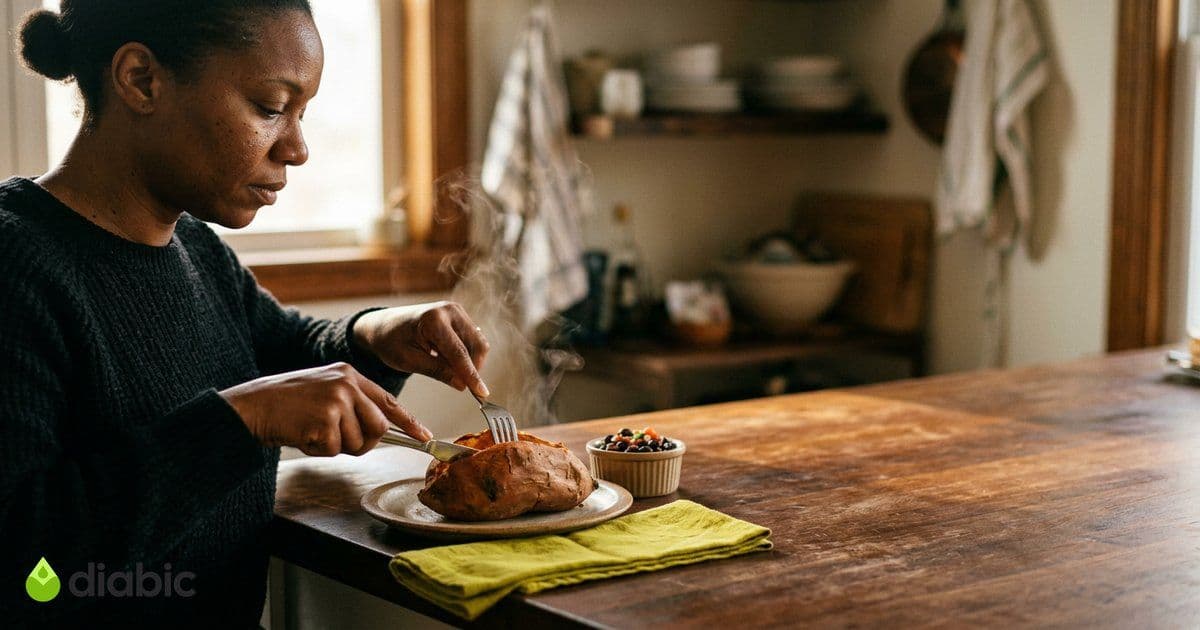
7 Sweet Potato Diabetes Recipes That Keep Blood Sugar Steady
Seven sweet potato diabetes recipes with balanced macros, plus the cooking methods and portion tips that keep this naturally sweet vegetable blood-sugar.
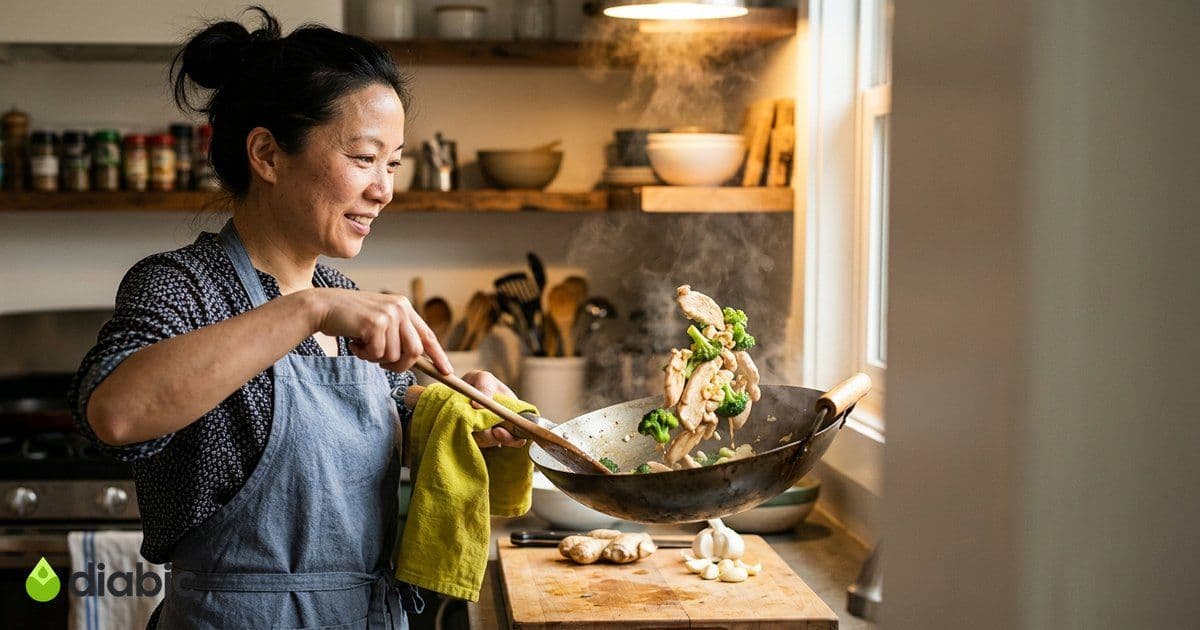
Chinese Recipes for Diabetes That Taste Like Takeout
Chinese recipes for diabetes that recreate takeout favorites at home with low-sugar swaps, controlled portions, and stir-fries that keep blood sugar.
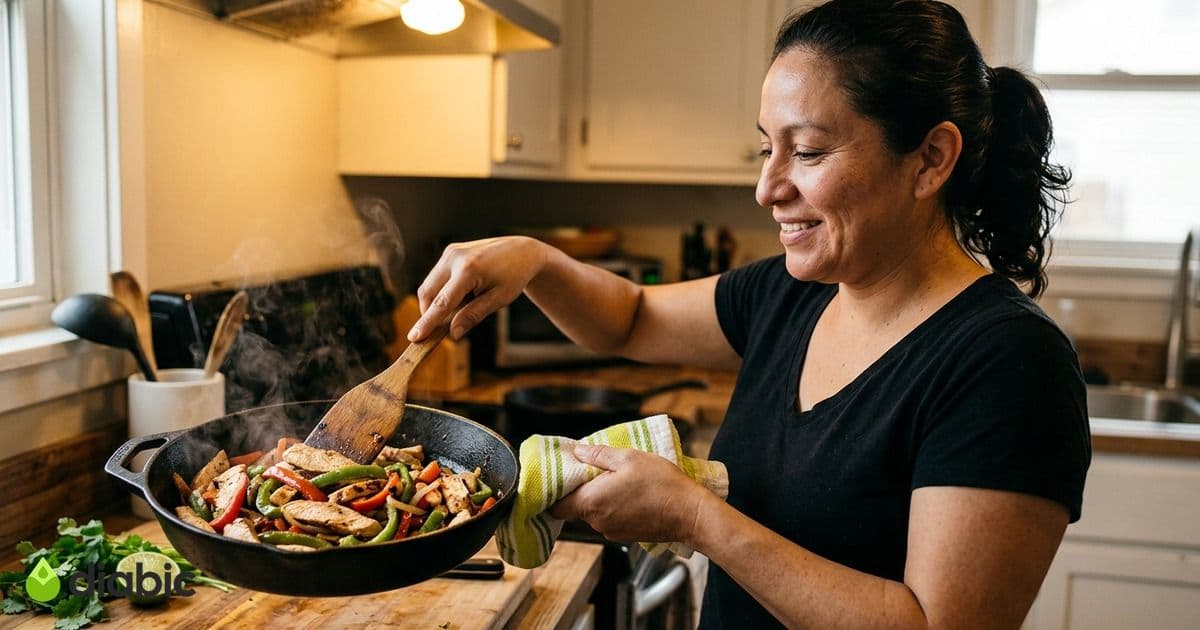
8 Diabetes-Friendly Mexican Recipes With Bold Flavor
Eight Mexican diabetes recipes with full ingredient lists, nutrition context, and smart swaps for tortillas, rice, and cheese.
Clinician-reviewed habits, plain-language guides, and honest answers - the small shifts that make living with diabetes feel lighter, every day.